



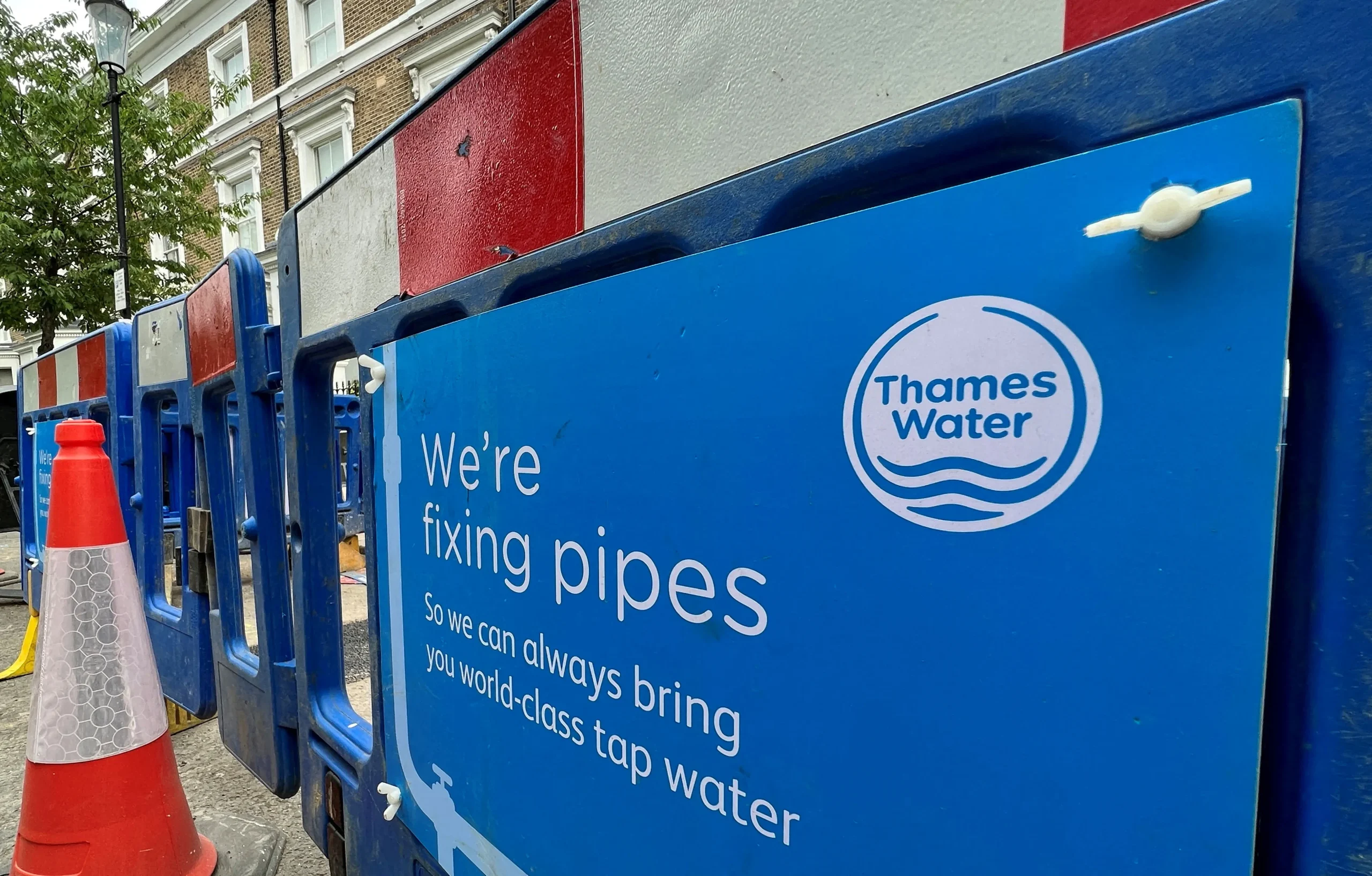
THAMES WATER TESTS SHOW PFAS SPIKE – Tests found toxic “forever chemical” levels up to 13 times the legal limit
Thames Water’s proposed water recycling scheme has come under scrutiny after pilot tests found levels of a toxic “forever chemical” rose to as much as 13 times the legal limit.
Technical documents from two trials reportedly showed levels of PFOS, a type of PFAS chemical, increasing rapidly after treated sewage was processed through the proposed recycling system. PFOS is considered a potential carcinogen and is known as a “forever chemical” because it does not readily break down in the environment.
The scheme is designed to help tackle water shortages during periods of drought by taking up to 75 million litres of water a day from the River Thames at Teddington and replacing it with treated wastewater from the Mogden treatment works. The project is expected to cost at least £350 million.
Tests recorded PFOS levels of 6.3 and 8.7 nanograms per litre, compared with a UK surface-water limit of 0.65 nanograms per litre. The documents reportedly warn that keeping levels within legal limits would be “operationally challenging” and could require frequent replacement or treatment of carbon filters.
The trials also found high levels of iron, which the technical documents said could have a significant detrimental impact on the river.
Thames Water has previously said the recycling scheme would not harm the river, its habitats or pose a threat to the public. The company is currently seeking approval to develop the project as it looks for ways to secure future water supplies amid population growth and increasingly frequent droughts.
