








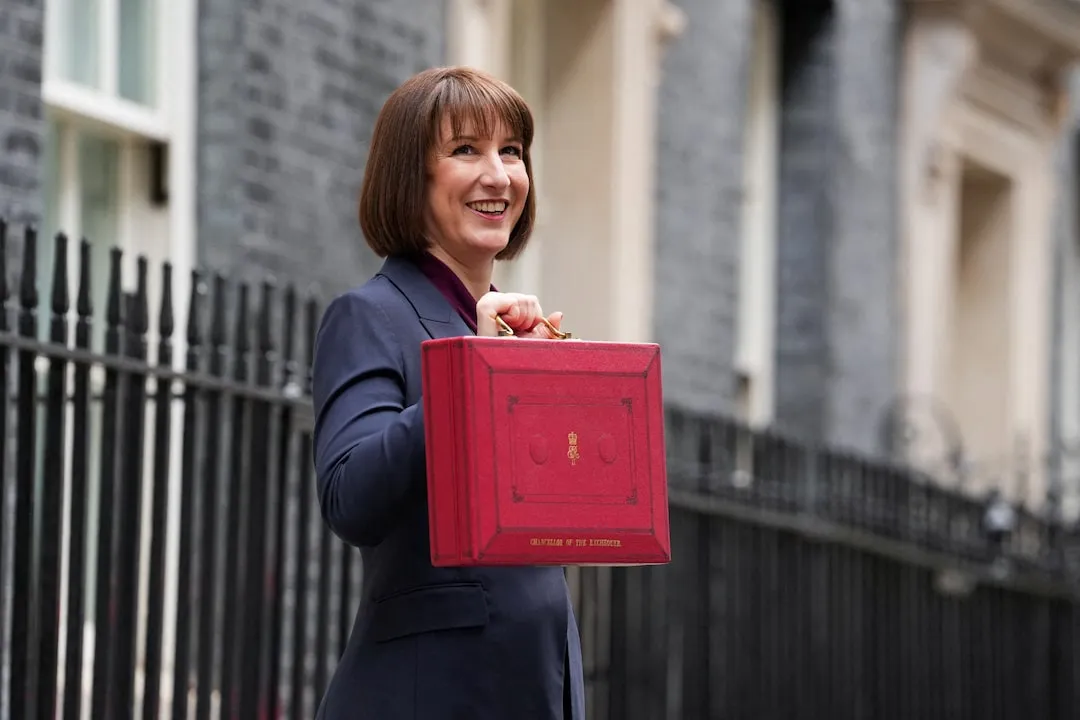
REEVES WARNED EV TAX PLAN COULD BACKFIRE – Pay-per-mile proposal risks costing Treasury up to £4.8bn
Rachel Reeves has been warned her plans for a pay-per-mile tax on electric vehicles (EVs) could end up losing the Treasury as much as £4.8bn.
In a letter to the Treasury, a coalition of trade bodies representing EV drivers, renewables companies and charging businesses said the Chancellor’s new electric vehicle excise duty risked causing a slump in new car sales that could end up costing the Government money.
In a worst-case scenario, the Treasury could suffer a £4.8bn hit in 2028 if drivers delay buying new EVs and refrain from buying new petrol and diesel cars, the trade bodies warned.
Matt Adams, of Beama, a lobby group representing energy infrastructure companies, said: “Introducing the pay-per-mile policy early is a fiscal own goal. It will slow EV uptake, reduce EV charging investments and cost the UK economy more than the Treasury stands to raise with the taxation.”
Ms Reeves announced plans to introduce the 3p-per-mile tax on electric cars in her November 2025 Budget with the aim of raising £1.1bn in 2028-29, rising to £1.9bn in 2030-31. Drivers of plug-in hybrid cars would also pay 1.5p per mile. The new levy is set to come into force on April 1 2028.
In a letter to Dan Tomlinson, the exchequer secretary, the trade groups warned that similar levies in Iceland and New Zealand had triggered sharp declines in EV sales.
The introduction of a pay-per-kilometre tax in Iceland caused a 75pc slump in new EV sales in 2024, while a similar levy in New Zealand triggered a 50pc drop in sales.
A similar decline in the UK could lead to a significant loss of VAT income for the Treasury, they argued. Petrol and diesel cars are £6,000 cheaper on average than electric equivalents so would incur a lower tax bill.
Beama, which represents EV charging companies, said its research suggested the Treasury could suffer a £630m drop in VAT revenue in 2028 alone.